
What are the standout moments for Quincy Jones?
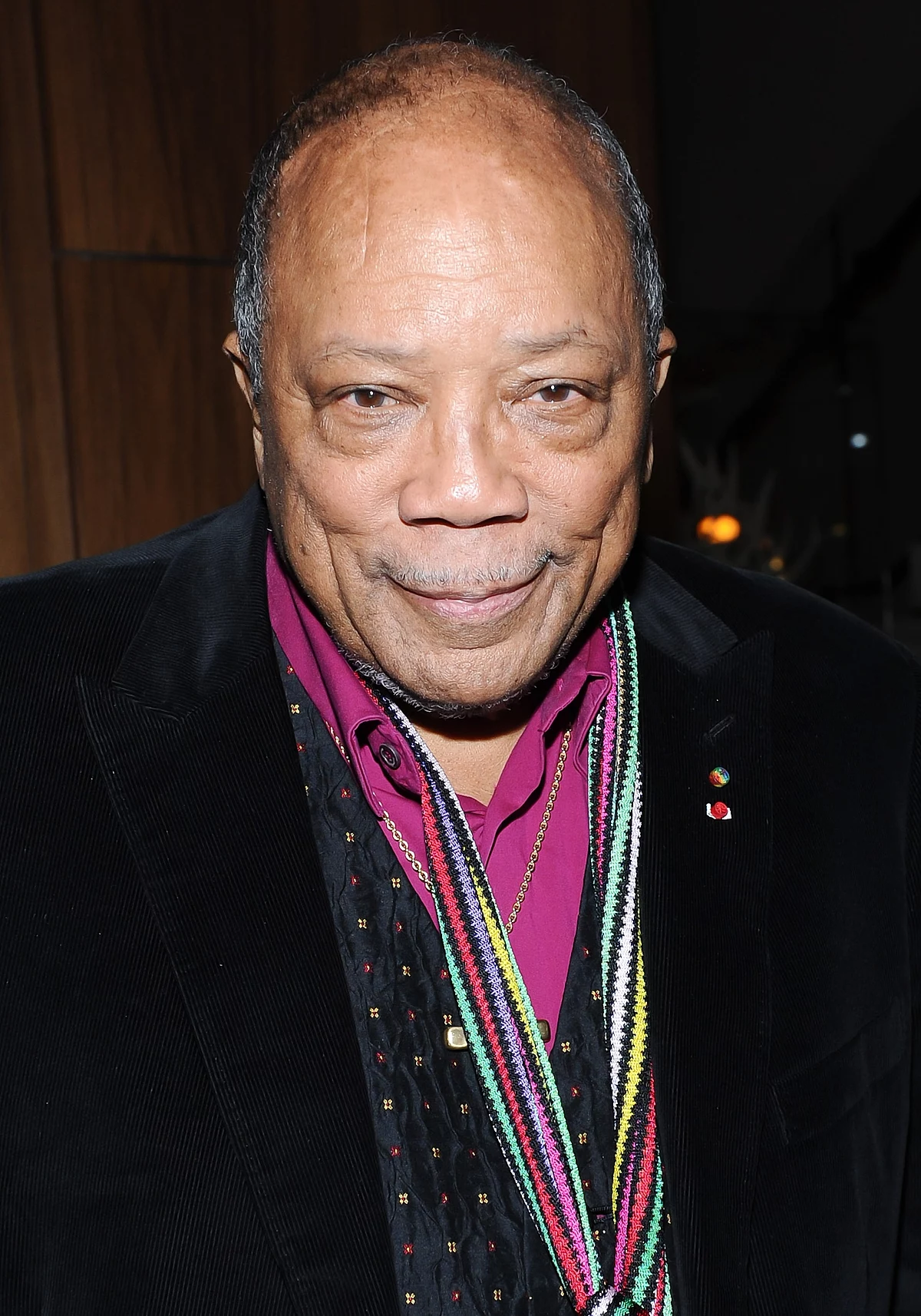
Photo Credit: WikiMedia
1. Early Career and Jazz Foundations
Quincy Jones began his career as a jazz musician and arranger in the 1950s, working with legends like Ray Charles, Dizzy Gillespie, and Lionel Hampton. His early success as a trumpet player and arranger laid the foundation for a career defined by musical diversity, technical expertise, and innovative vision.
2. Producing Michael Jackson's Iconic Albums
Jones made history by producing Michael Jackson’s legendary albums Off the Wall (1979), Thriller (1982), and Bad (1987). Thriller became the best-selling album of all time, and Jones’s production style set new standards in pop music. His collaborations with Jackson brought him international acclaim, and he won several Grammy Awards for his work on these albums.
3. Pioneering Work in Film and Television
Jones also broke ground in the film industry as one of the first Black composers to score major Hollywood films. He composed scores for films such as The Pawnbroker (1964) and In Cold Blood (1967), showcasing his skill in bringing complex stories to life through music. Later, he produced the theme song for the classic TV series Sanford and Son and the soundtrack for the film adaptation of The Wiz (1978), further establishing his impact in film and television.
4. Founding Qwest Records and Championing New Talent
In the 1980s, Jones founded Qwest Records, which became known for its eclectic roster, including artists like George Benson and Tevin Campbell. Through Qwest, he championed new talent and expanded into jazz, R&B;, and pop, influencing artists across genres and generations. His work in music production and artist promotion helped launch and sustain countless successful careers.
5. "We Are the World" and Global Humanitarian Contributions
One of Quincy Jones’s most celebrated achievements was producing the charity single We Are the World (1985), which brought together an ensemble of renowned artists to raise funds for famine relief in Africa. The song became a global phenomenon, symbolising unity and compassion, and raised millions for humanitarian causes.
6. Lifetime Achievements and Awards
Over his seven-decade career, Jones earned 28 Grammy Awards from 80 nominations, making him one of the most decorated musicians in Grammy history. In addition to his Grammys, he received numerous lifetime achievement awards, including induction into the Rock and Roll Hall of Fame and an honorary Grammy Legend Award in 1991.
7. Later Years: Mentorship and Cultural Advocacy
In his later years, Jones remained a significant influence in the music world, mentoring young artists and advocating for cultural initiatives. He was committed to diversity and education in music, often participating in panels, festivals, and foundations promoting the next generation of musicians. His legacy lives on through the countless artists he inspired and the cultural shifts he championed.
Related Questions
1. How did Quincy Jones influence pop music?
Jones's work on Michael Jackson’s Thriller and other hit records introduced new production techniques and elevated pop music standards, influencing artists worldwide.
2. What is Quincy Jones's contribution to jazz music?
Starting as a jazz musician, Quincy Jones’s early work in jazz shaped his versatile style, and he went on to collaborate with top jazz figures, contributing significantly to the genre’s development.
3. How many Grammy Awards did Quincy Jones win?
Jones won 28 Grammy Awards out of 80 nominations, making him one of the most celebrated Grammy recipients in history, with achievements spanning multiple genres and decades.
Further Reading
Filed under Celebs and Entertainment, People, Questions and Answers